Rules of Tajweed for Children: A Simplified Guide for Teaching and Practice
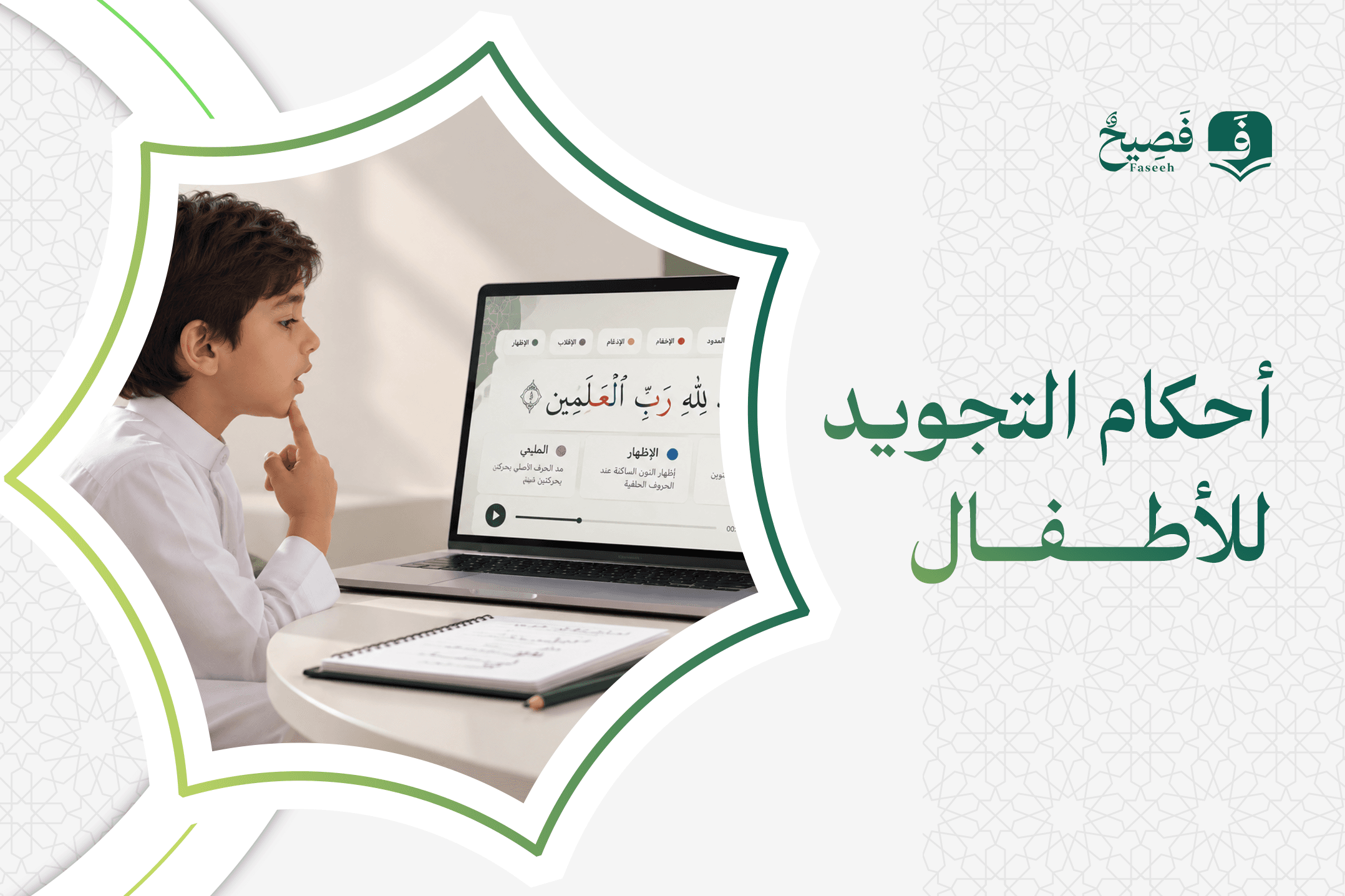
Teaching Tajweed rules to children helps them develop a correct and confident relationship with Quran recitation. The goal is not limited to memorizing verses. It also includes training children to pronounce Arabic letters from their correct articulation points, distinguish between similar sounds, and apply recitation rules gradually.
Children need a teaching method that matches their age, attention span, and reading ability. When each rule is connected to listening, repetition, and practical examples, it becomes easier to understand and remember.
Why Should Children Learn Tajweed?
Learning Tajweed can help children:
- Pronounce Arabic letters correctly.
- Avoid common recitation mistakes.
- Distinguish between similar sounds.
- Improve listening and concentration.
- Read the Quran with confidence.
- Build a strong foundation for memorization.
- Strengthen their connection with Arabic.
The value of Arabic extends beyond reading. It is connected to the child’s identity and ability to understand the Quran. Parents can learn more about the status of the Arabic language among languages.
There are also many benefits of memorizing the Quran for children, including stronger memory, better concentration, increased discipline, and greater self-confidence.
What Is the Difference Between Tajweed and Tarteel?
Tajweed refers to the rules governing the articulation, characteristics, and pronunciation of Quranic letters. Its purpose is to protect recitation from incorrect pronunciation.
Tarteel means reading slowly, clearly, and thoughtfully. This style gives the reader enough time to apply Tajweed rules and reflect on the verses.
Tajweed explains how sounds and rules should be performed, while Tarteel describes the calm and measured manner of recitation. The two work together to produce clear and accurate Quran reading.
When Should a Child Begin Learning Tajweed?
There is no single suitable age for every child. Readiness depends on pronunciation, reading ability, listening skills, and attention span. A gradual pathway may include:
- Ages 4–6: listening, imitation, and repeating short Surahs without introducing many technical terms.
- Ages 6–8: recognizing articulation points and distinguishing between similar sounds.
- Ages 8–10: applying basic rules such as Noon Saakin, Tanween, and Madd.
Progress should depend on mastery rather than age alone. The guide to teaching Tajweed to beginners explains how to build a gradual learning pathway.
Essential Tajweed Rules for Children
Points of Articulation
Articulation points indicate where Arabic sounds are produced, including the mouth cavity, throat, tongue, lips, and nasal passage.
Children learn articulation more effectively by listening, observing mouth movement, and repeating after a teacher. Understanding points of articulation in Tajweed helps distinguish between letters such as Taa and the emphatic Taa, Seen and Saad, or Kaaf and Qaaf.
Characteristics of Letters
Letter characteristics describe how each sound is produced. These include whispering, voicing, strength, softness, elevation, and lowering.
They help children understand why two letters may sound different even when their articulation points are close. The guide to characteristics of letters in Tajweed provides a broader explanation.
Rules of Noon Saakin and Tanween
These rules include four main categories:
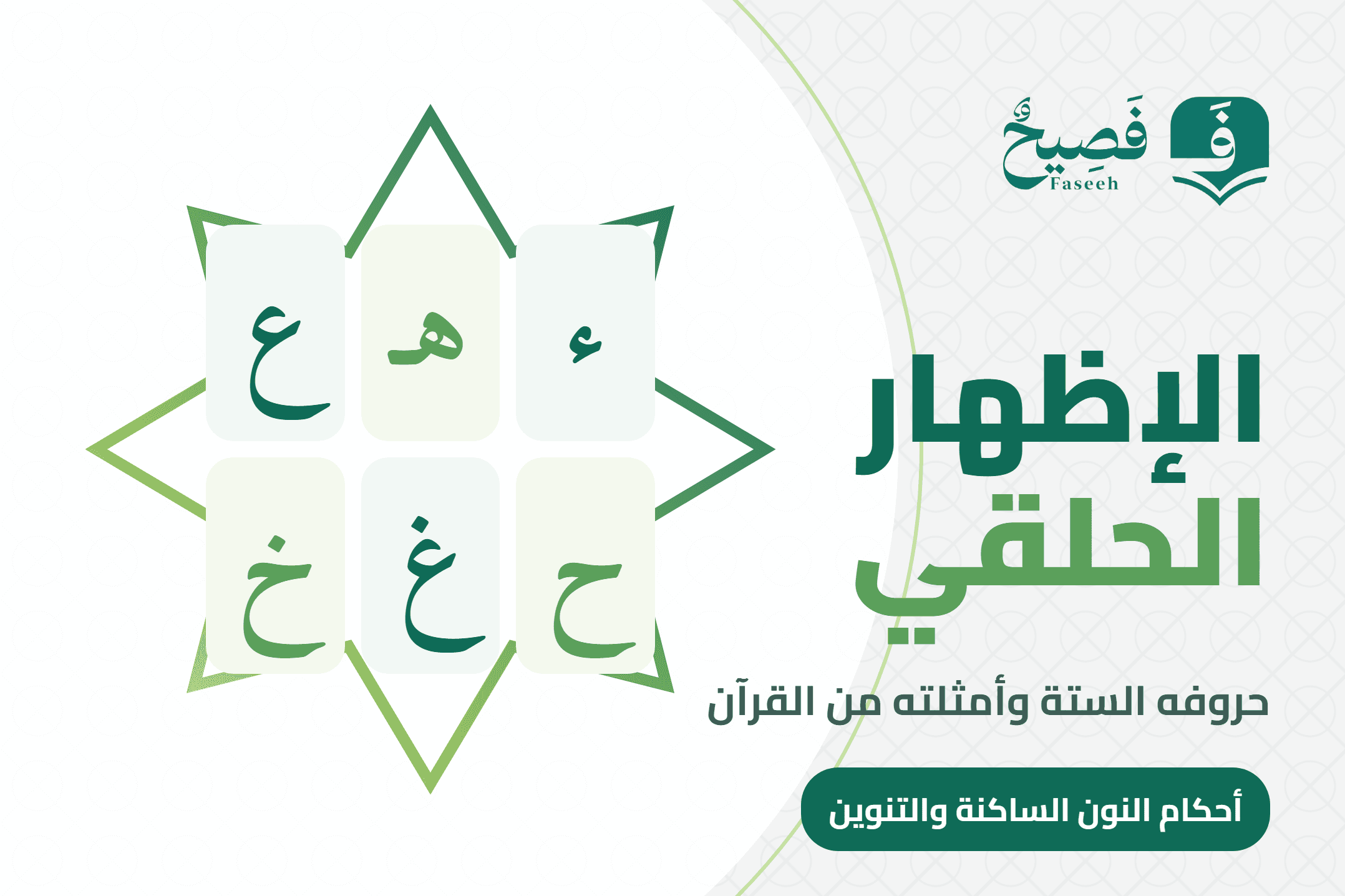
- Izhar: pronouncing Noon Saakin or Tanween clearly, as in ﴿مَنْ آمَنَ﴾.
- Idgham: merging the Noon sound into the following letter, as in ﴿مَن يَقُولُ﴾.
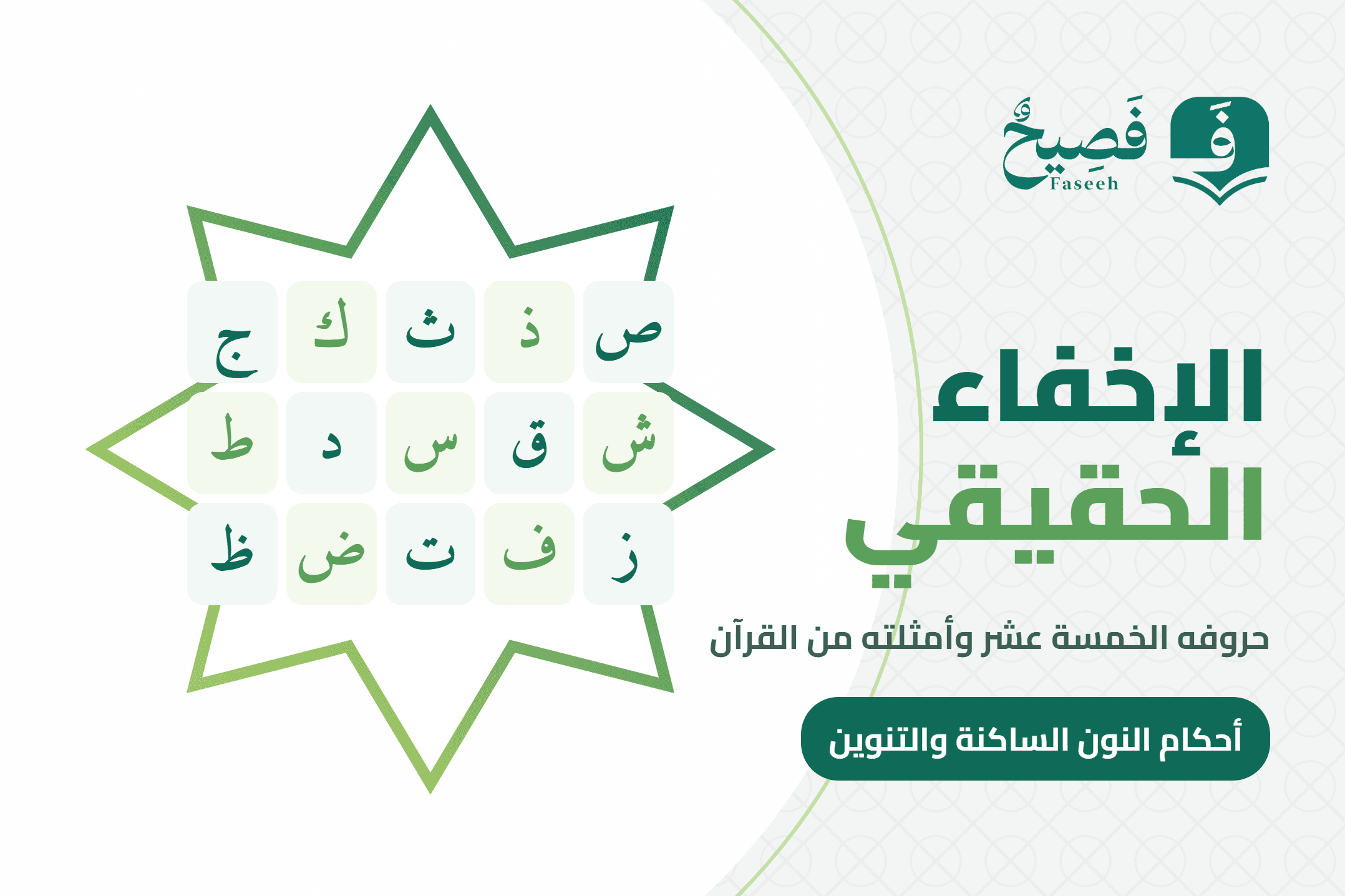
- Ikhfa: producing a sound between clarity and merging with Ghunnah, as in ﴿مِن ذَهَبٍ﴾.
- Iqlab: changing the Noon or Tanween sound into a concealed Meem before Baa, as in ﴿مِن بَعْدِ﴾.
Children can review rules of Noon Saakin and Tanween for additional examples.
Rules of Madd
Children should begin with natural Madd, which is extended for two counts. They also need to distinguish between a short vowel and an elongated sound so they do not lengthen ordinary vowels or shorten Madd letters.
Advanced types of Madd should be introduced gradually after natural Madd has been mastered.
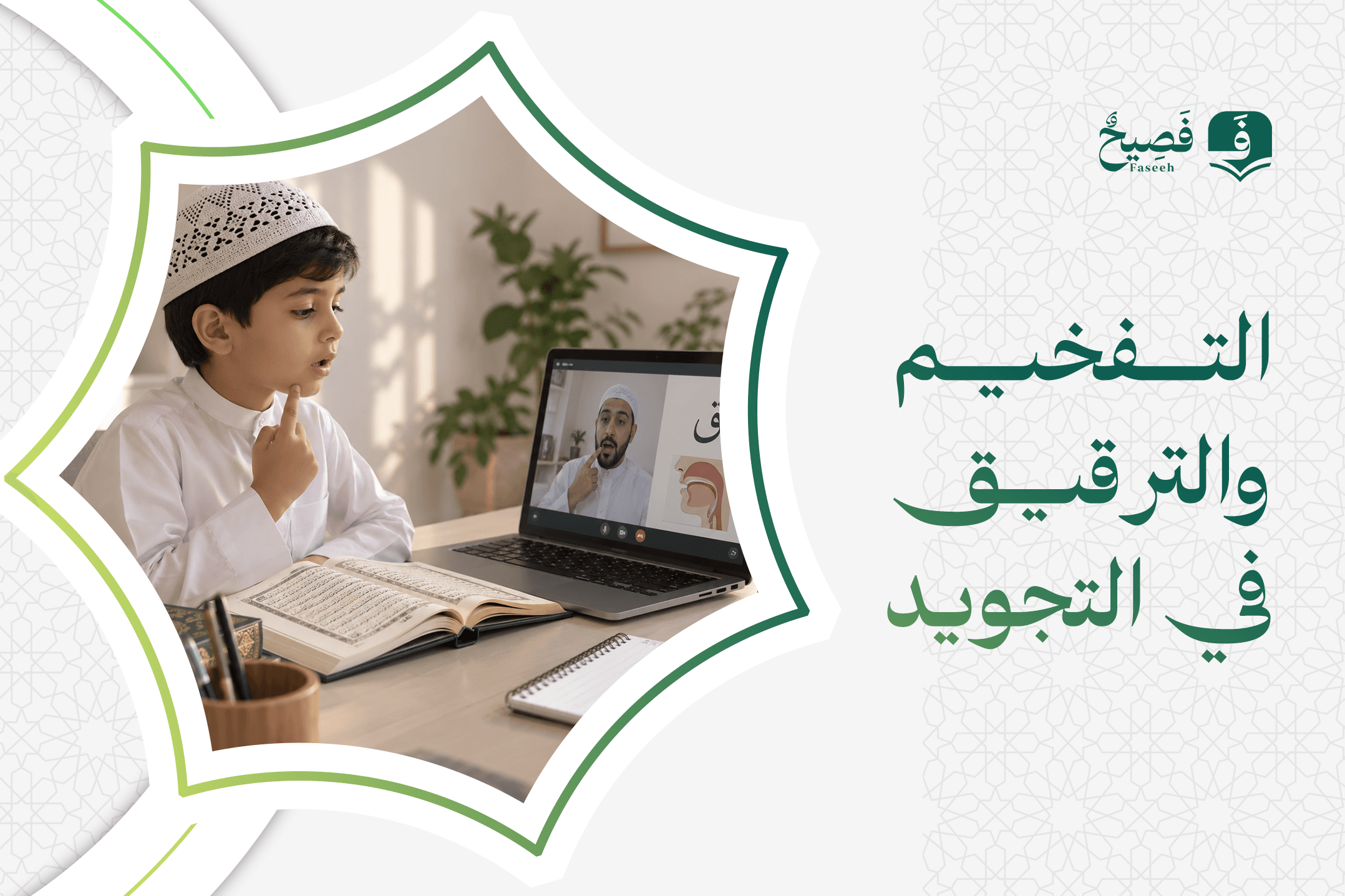
Tafkheem and Tarqeeq
Children learn to pronounce the letters of elevation with controlled heaviness while keeping other letters light in their appropriate positions.
Short listening comparisons can help them hear the difference between a heavy and a light sound without becoming overwhelmed by technical explanations.
Interactive Methods for Teaching Tajweed
Tajweed lessons can become more engaging through:
- Colour-coding rules within verses.
- Using Arabic letter cards.
- Playing a short recitation and asking the child to imitate it.
- Recording the child’s voice.
- Using sound-recognition games.
- Assigning a short daily recitation.
- Rewarding consistency and improvement.
- Correcting one skill at a time.
Each lesson should focus on a limited objective. The child can then practise that skill in words and short verses before moving to a new rule.
Common Teaching Mistakes
Common mistakes include focusing only on theoretical definitions, presenting several rules in one lesson, or using terminology that does not match the child’s age.
Recorded videos can support learning, but they cannot listen to the child or identify the cause of a pronunciation error. Children should also not be compared with other learners or criticised harshly. Calm correction and regular encouragement produce better results.
Learning Tajweed Online
Online Tajweed education can be effective when lessons are live and interactive. The teacher should be able to listen to the child, observe pronunciation, and provide immediate correction.
When choosing a platform for teaching the Arabic language, parents should look for an initial assessment, a gradual curriculum, specialized teachers, and regular progress monitoring.
Faseeh Platform provides learning pathways that help children develop Arabic spelling, reading, and Tajweed through individual lessons and continuous support.
After mastering the fundamental rules, learners may gradually explore principles of Quranic recitations according to their readiness.
Begin With Assessment and Gradual Progress
Teaching Tajweed rules to children should not focus on completing every rule quickly. Effective learning depends on gradual instruction, practical recitation, and continuous correction.
Book an assessment lesson with Faseeh to identify the most suitable pathway for improving your child’s Quran reading and recitation.