Articles and tips on learning the Quran and Classical Arabic.
24 Oct 2026
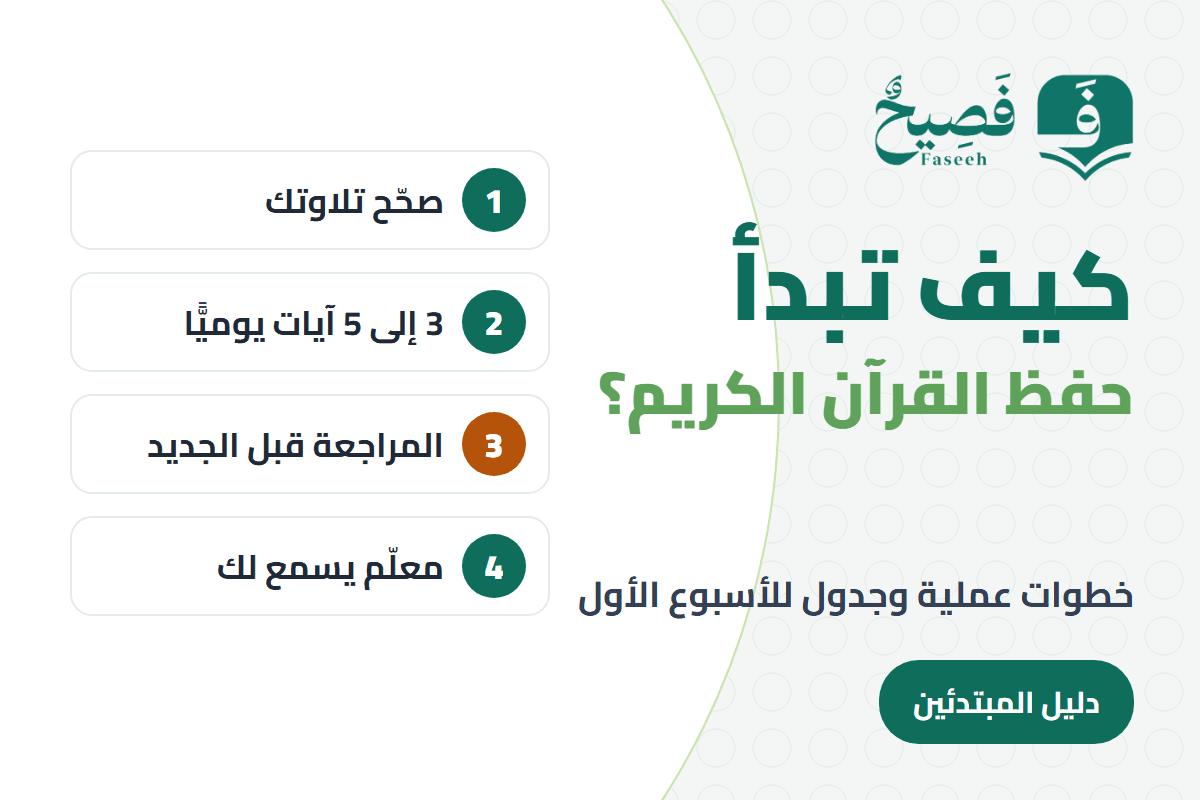
How to start memorizing the Quran from zero: steps before you begin, how many verses a day, how to memorize a page, a first-week plan and revision tips.
19 Oct 2026
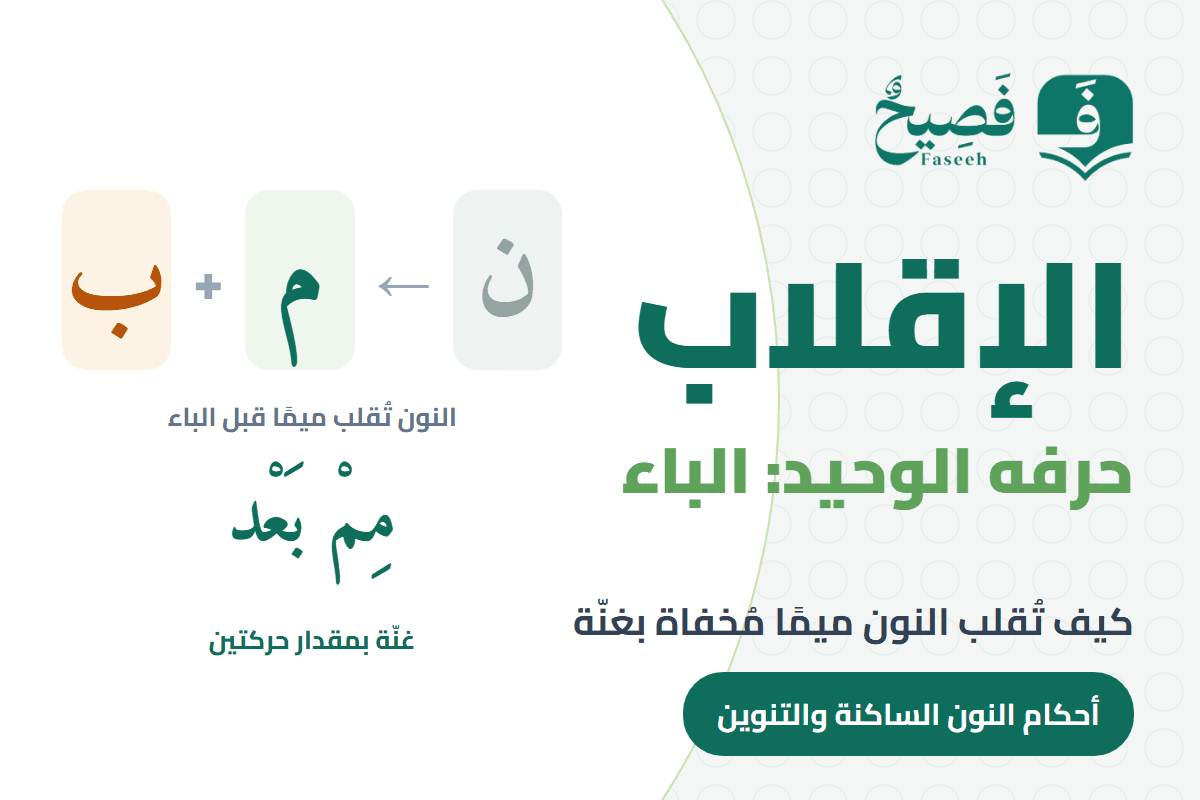
Iqlab is the third rule of Noon Sakinah and Tanween: its one letter Ba, its Mushaf mark, and how to pronounce the hidden Meem with Ghunnah, with Quran examples.
13 Oct 2026
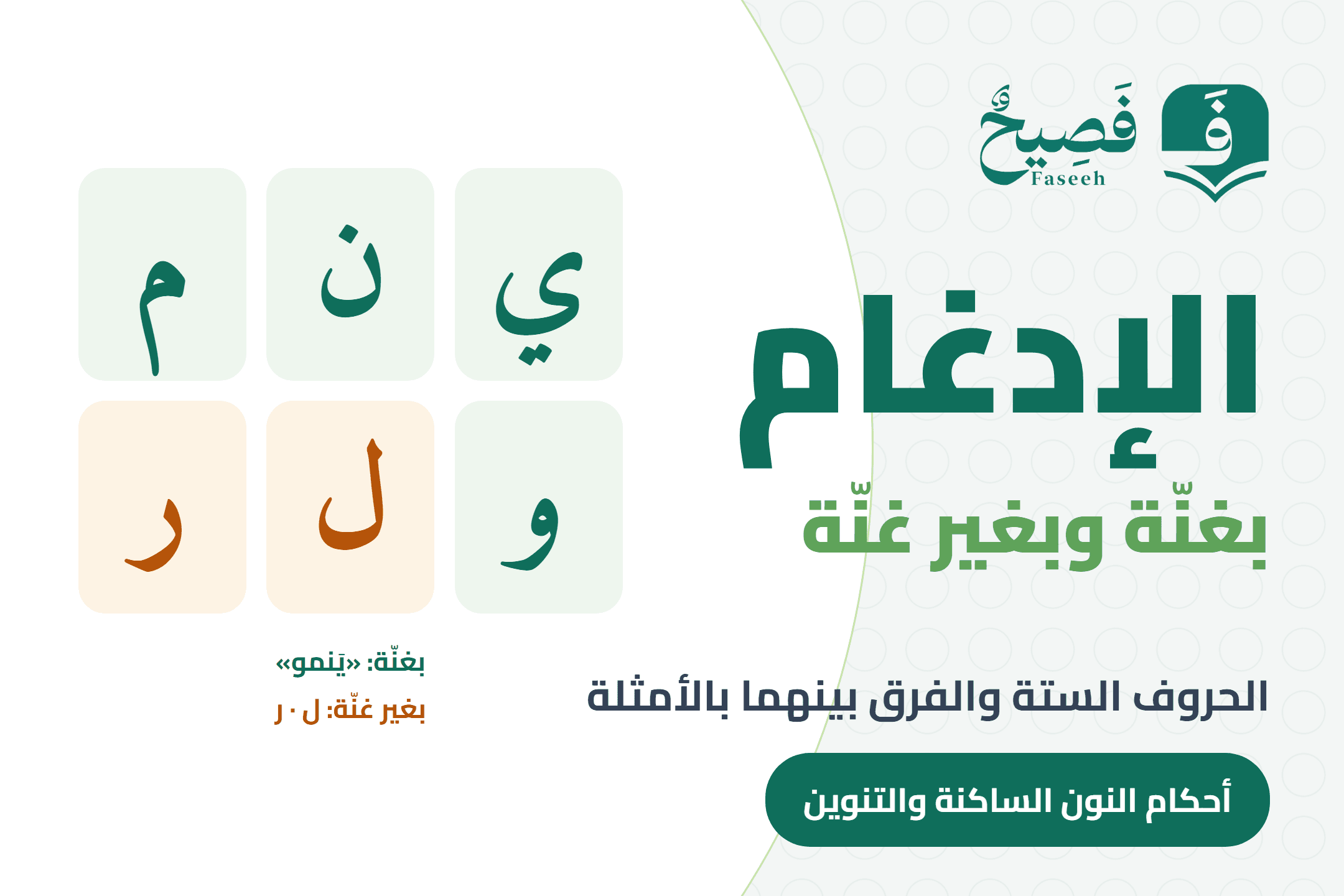
Idgham is the second rule of Noon Sakinah and Tanween: its six letters, with Ghunnah (ي ن م و) and without (ل ر), complete vs incomplete, with Quran examples.
7 Oct 2026
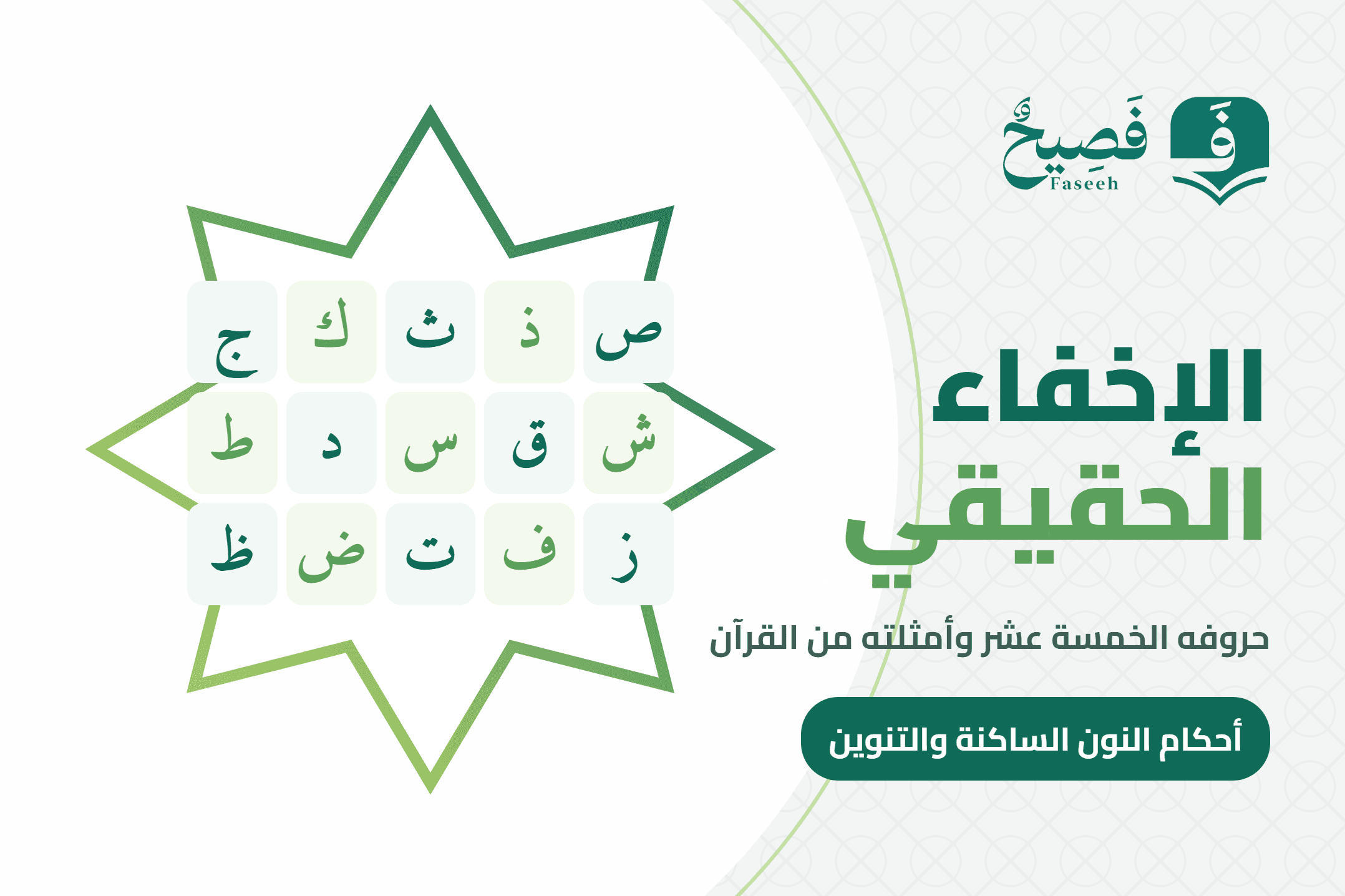
Ikhfa Haqiqi is the most frequent noon rule: its fifteen letters, correct pronunciation, three levels, heavy and light ghunnah, examples for every letter and exercises.
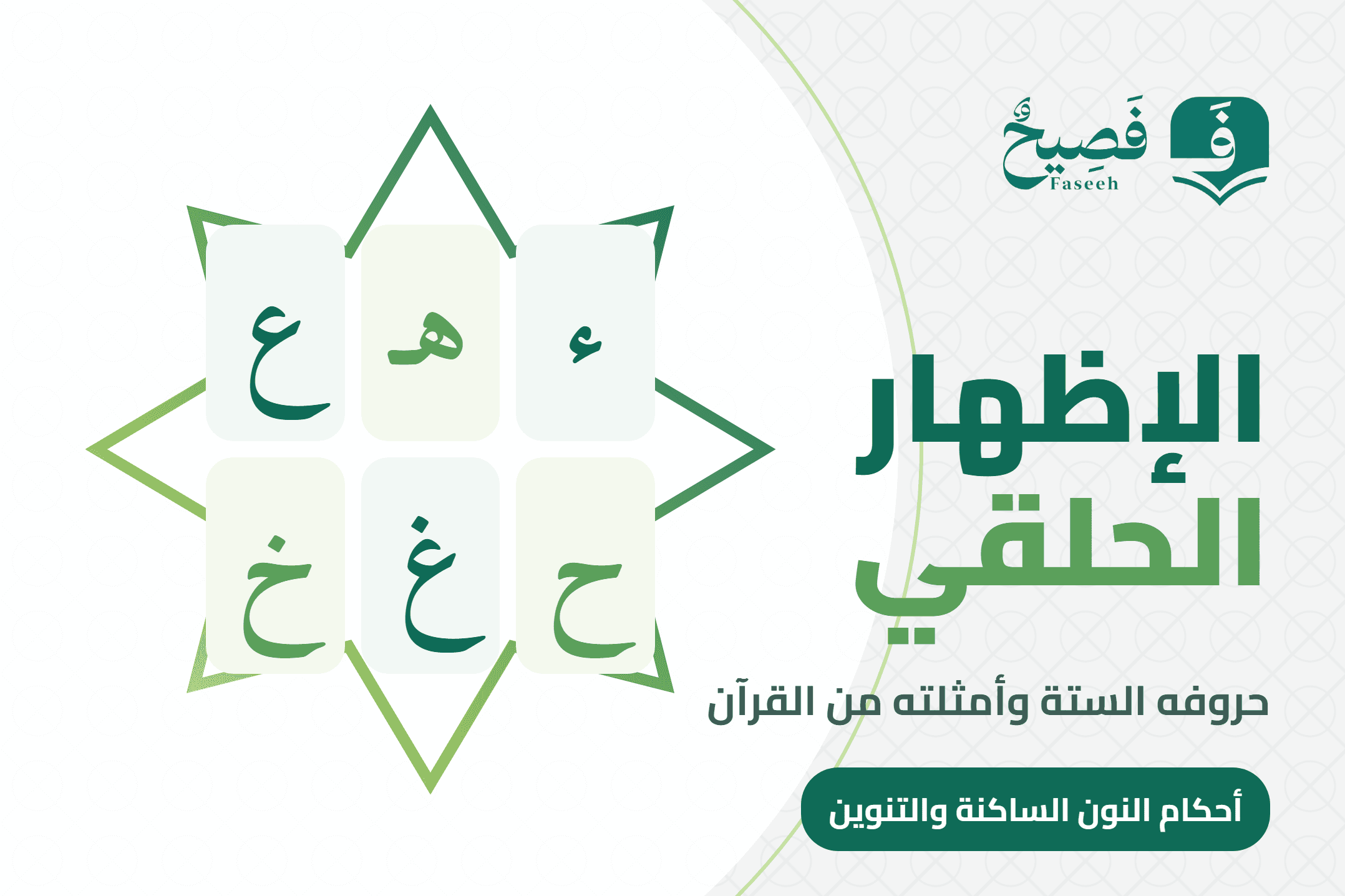
Izhar Halqi is the first rule of noon saakin and tanween: the six throat letters, why the noon stays clear, verified Quran examples and exercises.
23 Sept 2026
Learn about Arabic language learning difficulties in children, from letter recognition and reading to writing and comprehension, with practical solutions to support their progress.
22 Sept 2026
Learn about the characteristics of words in the Arabic language, including nouns, verbs, and particles, their key signs, examples, and importance for learning Arabic grammar.
Discover the importance and distinctive features of the Arabic language, including its rich vocabulary, cultural significance, unique characteristics, and the benefits of learning Arabic.
Discover the best ways to teach Arabic to children, from learning letters and reading to stories and interactive activities, with Faseeh's educational programs and learning paths.
27 Aug 2026
Learn about methods to retain the Quran after memorization and address forgetfulness, along with a plan for review and repetition, managing similarities, recitation practice, and correcting recitation from the Fasih platform.
22 Aug 2026
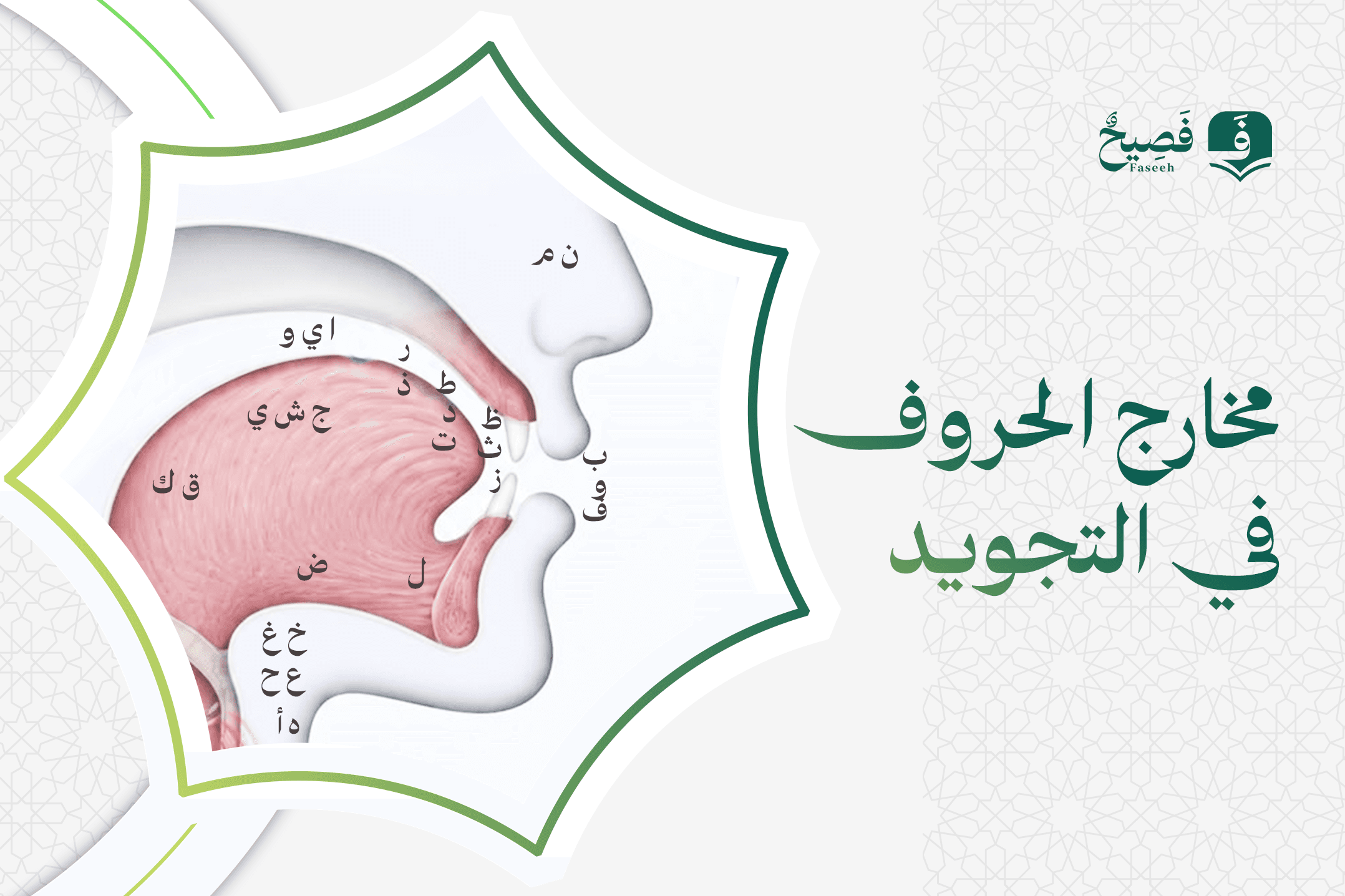
A simplified guide to teaching the rules of Tajweed to children, including the articulation points and characteristics of letters, the rules of noon and elongation, along with interactive methods suitable for their ages from the Fasih platform.
Understand the difference between the vowel (harakah) and the prolongation (madd) in terms of pronunciation, duration, and writing. Learn about the conditions of the elongated letters (alif, waw, and ya) along with examples and practical exercises from the Fasih platform.
Learn about the rule of the meeting of two silent letters, the cases of deletion, and the movements of kasra, damma, and fatha, along with examples that illustrate their correct application during the recitation of the Quran.
Learn about the concepts of emphasis and lightness in Tajweed, the letters of elevation and their ranks, the ruling on the letter "alif" and the definite article "lam" of the word "Allah," as well as the letter "ra" with Quranic examples on the Faseeh educational platform.
21 Aug 2026
A guide to studying Tajweed remotely, comparing individual and group programs and sessions, along with the key criteria for selecting a teacher and curriculum, and a free evaluation from the Fasih educational platform.
Teaching the Arabic alphabet to children step by step: how to introduce each letter's shape, sound and vowels with simple activities that prepare for correct reading and learning the Quran with Faseeh.
20 Aug 2026
Get to know the Fasiḥ rule for children, its 37 lessons, and its benefits in teaching letters, diacritics, correct reading, and preparing for learning the Quran and Tajweed with the Fasiḥ platform.
Discover the best methods for teaching reading to non-Arabic speakers, from letters and spelling to reading words and sentences, with progressive educational pathways through the Faseeh educational platform.
18 Jul 2026
Tarteel means reciting the Quran slowly, clearly and deliberately, with correct tajweed and correct pauses. Its meaning, evidence, and how it differs from tajweed.
Faseeh — from Makkah to the world