Teaching Tajweed for Beginners: Your Guide to Mastering the Recitation of the Holy Quran
Learning Tajweed for beginners is one of the most important steps that helps Muslims recite the Holy Quran as it was revealed. Tajweed is not only about improving the beauty of the voice or making the recitation sound better; it is a science that focuses on pronouncing letters from their correct articulation points and applying the rules of Quranic recitation accurately, helping the reader recite the Book of Allah correctly and skillfully.
With the development of online learning platforms, learning Tajweed has become easier than ever. Educational programs provide students with the opportunity to learn Quran recitation rules and practice them practically under the supervision of specialized teachers, within a flexible learning environment suitable for different ages and levels. Distance learning has also become a suitable option for those who want to improve their skills through specialized programs such as Studying Tajweed Online.
What Is the Science of Tajweed?
The science of Tajweed is the knowledge concerned with the correct pronunciation of the letters of the Holy Quran by understanding their articulation points, characteristics, and the rules related to them during recitation.
This science aims to protect the tongue from mistakes while reading the Quran and enables Muslims to recite the words of Allah accurately and with humility according to what was transmitted through authentic chains of narration.
Why Is Learning Tajweed for Beginners Important?
Some people may think that reading the Quran does not require studying Tajweed rules. However, learning this science is essential for improving recitation and correcting mistakes that a reader may make without noticing.
The main benefits of learning Tajweed for beginners include:
- Improving Quran recitation.
- Mastering the articulation points and characteristics of letters.
- Avoiding common recitation mistakes.
- Increasing confidence while reciting.
- Understanding Tajweed rules and applying them correctly.
- Strengthening the connection with the Quran and improving reading quality.
What Should a Beginner Learn First in Tajweed?
When starting to learn Tajweed, beginners should gradually study the basics before moving to advanced rules. These basics include:
Points of Articulation of Letters
Understanding Points of Articulation in Tajweed is considered the foundation of this science, as it helps learners pronounce Arabic letters correctly and distinguish between them during Quran recitation.
Characteristics of Letters
After mastering articulation points, students learn the characteristics that distinguish each letter from others, which improves pronunciation and enhances the quality of recitation.
Rules of Noon Saakinah and Tanween
These are among the most frequently occurring Tajweed rules in the Quran and include:
- Izhar (Clear Pronunciation).
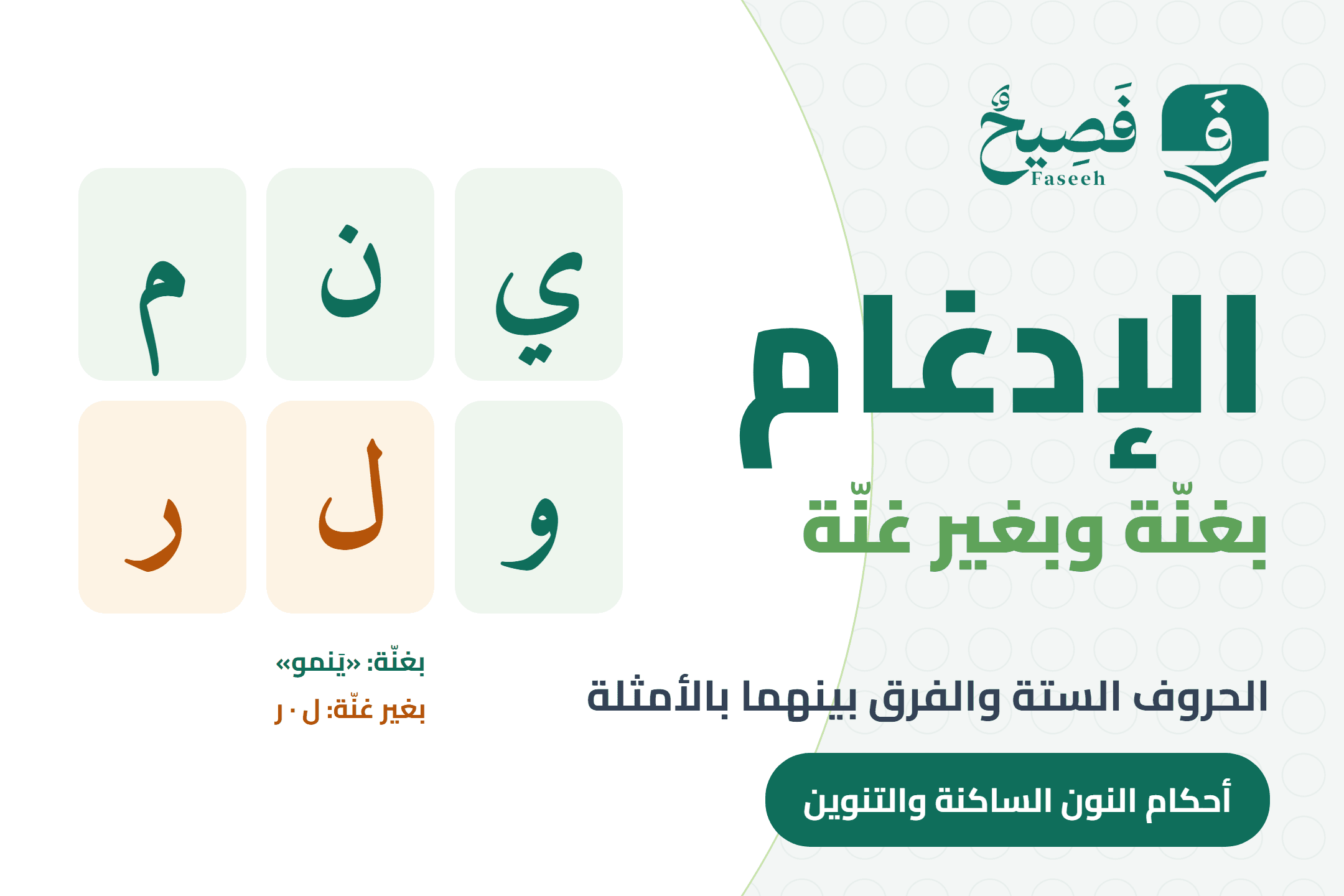
- Idgham (Merging).
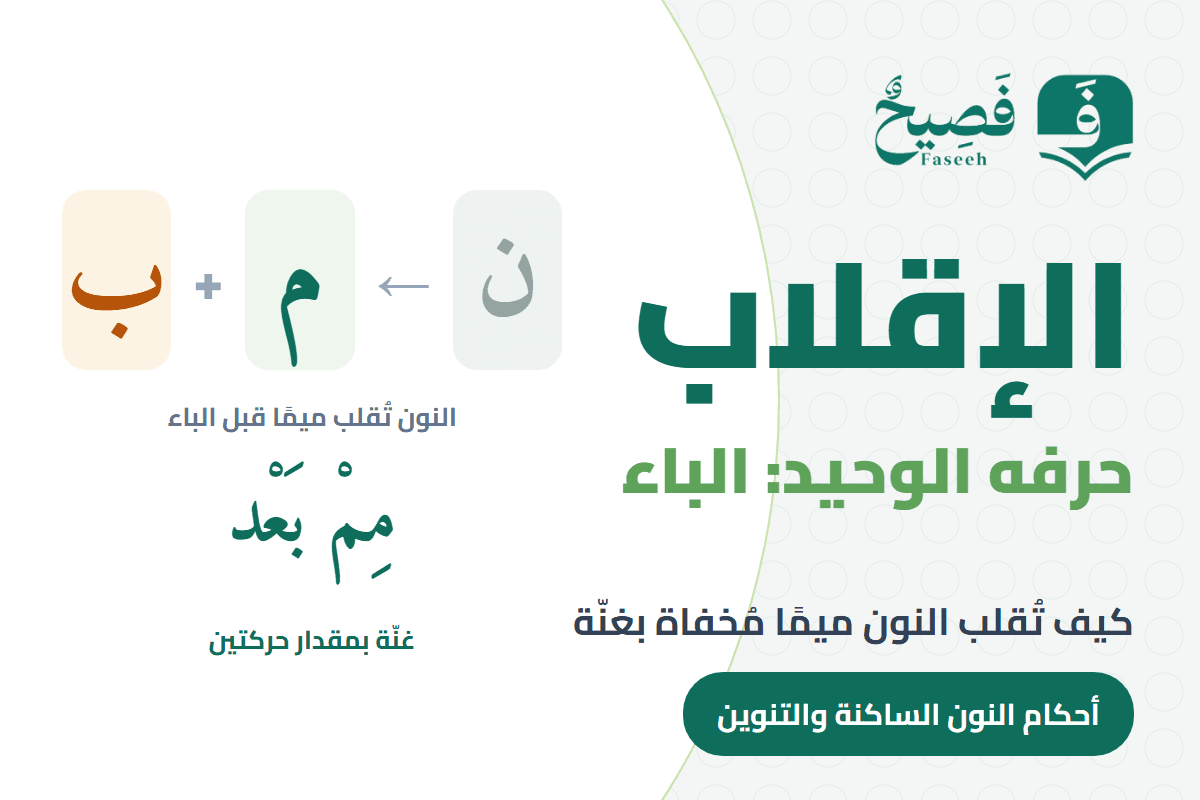
- Iqlab (Conversion).
- Ikhfa (Concealment).
Rules of Meem Saakinah
Beginners learn how to apply:
- Ikhfa Shafawi.
- Idgham Shafawi.
- Izhar Shafawi.
Basic Madd Rules
Learning Madd rules helps students control the length of sounds and improve their recitation performance in different Quranic verses.
The Importance of Abjad Foundation Program in Learning Tajweed for Beginners
Before moving deeper into studying Tajweed rules, learners need to build a strong foundation in correct reading and understand Arabic letters and their proper pronunciation.
The Faseeh Abjad Foundation Program - Reading and Spelling Foundation Path provides an important introductory stage that helps learners develop Arabic reading skills, learn letter sounds, and improve pronunciation, preparing them to understand and apply Tajweed rules correctly.
The Abjad Foundation focuses on teaching letters, vowels, and elongation sounds through a simple and organized approach. This helps children and beginners build a strong linguistic and Quranic foundation.
The more students master letters and their articulation points, the easier and more effective learning Tajweed becomes.
The Relationship Between Quran Recitation and Tajweed
Tajweed is closely connected to Quran recitation. The more learners understand Tajweed rules, the more accurately they can read the Holy Quran.
To understand the difference between concepts related to Quranic performance, you can read the article The Difference Between Tartil and Tajweed, which explains the relationship between improving recitation and applying Tajweed rules during reading.
That is why Quran recitation programs teach Tajweed for beginners gradually, combining explanation, practical application, and continuous correction to improve reading quality and develop Quranic skills.
The Best Way to Learn Tajweed for Beginners
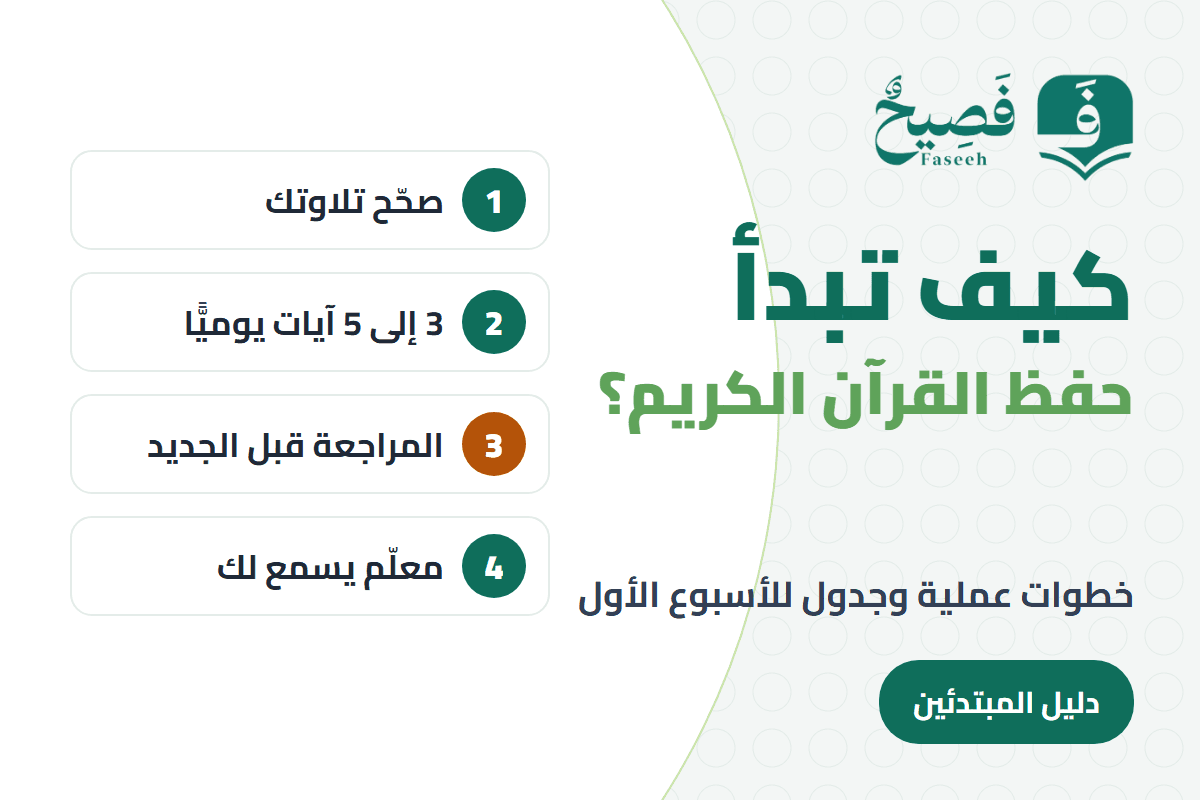
Success in learning Tajweed depends on choosing the right learning method. Some of the most effective approaches include:
- Learning with a specialized Quran teacher.
- Attending Tajweed lessons regularly.
- Applying rules practically during recitation.
- Reviewing Tajweed rules continuously.
- Listening to skilled Quran reciters.
- Benefiting from interactive learning and direct communication with teachers.
Learning Tajweed Online With Faseeh Educational Platform
Faseeh Educational Platform provides a specialized learning environment that helps students learn Tajweed for beginners through live programs supervised by experienced male and female teachers specialized in Quran education and its sciences.
The platform provides Tajweed lessons through a gradual educational methodology that helps learners understand basic rules and apply them practically. It also offers online learning through individual and group classes suitable for different ages and learning levels.
Features of Faseeh Educational Platform
- Live and interactive learning.
- Specialized Quran teachers.
- Flexible study schedules.
- Regular progress reports.
- Certified certificates in partnership with Quran education associations in Makkah Region.
- A free trial lesson before subscription.
From Learning Tajweed to Learning Quranic Readings
After mastering the basics of Tajweed and improving Quran recitation skills, students can move to more advanced levels, such as studying Quranic readings and learning the different methods of recitation.
Therefore, Faseeh provides specialized programs through the Quran Memorization and Tajweed Program for learners who want to develop their Quranic skills and advance in memorization, recitation, and Tajweed.
Students who wish to expand their knowledge of Quranic sciences can also move to an advanced stage through Learning the Ten Qira’at Online and explore the different Quranic readings through a specialized educational approach.
Start Your Tajweed Learning Journey Today
If you want to master Quran recitation and understand its rules correctly, then learning Tajweed for beginners is the first step toward accurate recitation and an advanced Quranic level.
Start your educational journey today with Faseeh Educational Platform and benefit from live programs and continuous support that help you improve your skills step by step.
To explore available programs and choose the most suitable one, you can check Explore Faseeh Packages. You can also book your free trial lesson and contact the Faseeh team to help you choose the learning path that matches your level and educational goals.