Tarteel Meaning in the Quran & Tarteel vs Tajweed
Tarteel (تَرْتِيل) means reciting the Quran slowly, clearly and deliberately — pronouncing every letter correctly, giving each word its due, and pausing at the right places so the meaning can be understood and reflected on. The word comes from the Arabic root r-t-l, which describes things that are evenly spaced and well arranged, like a row of teeth with even gaps between them.
Allah commands it directly in the Quran:
وَرَتِّلِ ٱلۡقُرۡءَانَ تَرۡتِيلًا "…and recite the Quran with measured recitation." — Surah Al-Muzzammil, 73:4
So tarteel is not a style invented by reciters. It is the manner of recitation the Quran itself asks for. This guide explains what tarteel means linguistically and technically, how it differs from tajweed, the speeds of recitation, and how to actually start reciting with tarteel.
Tarteel Meaning at a Glance
| Arabic | تَرْتِيل (tartīl) |
| Common spellings | Tarteel, Tartil, Tarteal |
| Root | ر ت ل (r-t-l): to arrange evenly, to space out neatly |
| Literal meaning | Unhurried, well-ordered, clearly separated speech |
| Technical meaning | Reciting the Quran calmly and clearly, with correct tajweed and proper stopping, in a way that allows reflection |
| Main evidence | Al-Muzzammil 73:4 · Al-Furqan 25:32 |
| Opposite | Rushing (hadhdh) so that letters are swallowed and meaning is lost |
The Linguistic Meaning of Tarteel
Classical Arabic dictionaries describe ratal as evenness and good arrangement. Arabs said a mouth was ratal when the teeth were evenly spaced, and speech was murattal when it came out in clear, separated, unhurried units rather than in a rush.
That image explains the term perfectly: in tarteel, the words of the Quran come out one after another, each one distinct, none crowding the next. The meaning in English is close to "measured," "distinct" or "deliberate" recitation — which is why translators render 73:4 as "recite the Quran with measured recitation" or "recite the Quran slowly and distinctly."
The Technical (Shar'i) Meaning of Tarteel
The most famous definition is reported from Ali ibn Abi Talib (may Allah be pleased with him). When asked about tarteel in 73:4, he said that it is:
"Tajweed of the letters, and knowing the places of stopping." (تجويد الحروف ومعرفة الوقوف)
This short definition contains the whole subject:
- Tajweed of the letters — every letter from its correct articulation point, with its correct characteristics, and every rule (ghunnah, madd, idgham, ikhfa…) applied.
- Knowing where to stop — pausing where the meaning is complete, and not cutting a sentence in a place that distorts it.
A companion of the Prophet ﷺ, Abdullah ibn Mas'ud, is reported to have added the spiritual dimension: do not scatter the Quran like scattered sand, nor rush through it like poetry; stop at its wonders and let your hearts be moved by it, and do not make your only concern reaching the end of the surah.
So in its full sense, tarteel = correct pronunciation + correct pausing + a pace that allows the heart to follow.
Tarteel in the Quran: Three Verses
1. The command: Al-Muzzammil 73:4
أَوۡ زِدۡ عَلَيۡهِ وَرَتِّلِ ٱلۡقُرۡءَانَ تَرۡتِيلًا "Or add to it, and recite the Quran with measured recitation." — 73:4
Notice the emphasis: the verb rattil (recite with tarteel) is followed by the verbal noun tartīlā. In Arabic this repetition stresses the action — recite it with real, thorough tarteel.
2. How the Quran itself was revealed: Al-Furqan 25:32
…كَذَٰلِكَ لِنُثَبِّتَ بِهِۦ فُؤَادَكَۖ وَرَتَّلۡنَٰهُ تَرۡتِيلٗا "…Thus [it is revealed gradually] so that We may strengthen your heart with it, and We have recited it distinctly, in stages." — 25:32
Allah describes His own delivery of the Quran with the same word. The Quran came in measured portions, not all at once — and the reciter is asked to mirror that.
3. Reciting it to people slowly: Al-Isra 17:106
وَقُرۡءَانٗا فَرَقۡنَٰهُ لِتَقۡرَأَهُۥ عَلَى ٱلنَّاسِ عَلَىٰ مُكۡثٖ… "And [it is] a Quran which We have divided so that you may recite it to the people at a deliberate pace…" — 17:106
The phrase 'alā mukth means "unhurriedly, with pauses." It describes the purpose of tarteel: that the listener can take in what is being recited.
How the Prophet ﷺ Recited
The hadith literature gives a clear picture of what tarteel sounded like:
- Umm Salamah (may Allah be pleased with her) described his recitation as "clearly separated, letter by letter" (reported by Abu Dawud and at-Tirmidhi).
- Anas ibn Malik was asked about the Prophet's recitation and said it was elongated (madd) — then recited Bismillāh ar-Raḥmān ar-Raḥīm, lengthening Allāh, ar-Raḥmān and ar-Raḥīm (reported by al-Bukhari).
- He ﷺ would pause at the end of each verse: al-ḥamdu lillāhi rabbil-'ālamīn — pause — ar-raḥmānir-raḥīm — pause (reported by at-Tirmidhi).
And about the reward, he ﷺ said: "It will be said to the companion of the Quran: Recite and rise, and recite with tarteel as you used to recite with tarteel in the world, for your rank will be at the last verse you recite" (reported by Abu Dawud and at-Tirmidhi).
Tarteel vs Tajweed: What Is the Difference?
This is the most common confusion. The two words are related but not interchangeable.
| Tajweed | Tarteel | |
|---|---|---|
| What it is | A science: the set of rules for pronouncing the Quran | A manner of recitation: how you deliver the Quran |
| Question it answers | How is each letter and word pronounced? | How should the whole recitation sound and flow? |
| Covers | Makharij (articulation points), sifat (letter characteristics), noon saakin, meem saakin, madd, qalqalah… | Pace, clarity, correct stopping and starting, reflection |
| Can be measured? | Yes — a teacher can mark each rule right or wrong | Partly — clarity and stopping can be checked; reflection is internal |
| Relationship | A part of tarteel | Includes tajweed and goes beyond it |
| Without the other | Correct but rushed recitation is not tarteel | Slow recitation with wrong pronunciation is not tarteel |
The simplest way to remember it: tajweed is what you must get right in every letter; tarteel is how you carry those correct letters to the listener — calmly, clearly and with understanding. Ali's definition makes this explicit: tajweed is the first half of tarteel.
Does slow recitation automatically mean tarteel?
No. Reading slowly while mispronouncing letters, cutting verses in the wrong places, or stretching sounds that should be short is not tarteel — it is simply slow reading. Tarteel requires tajweed. In the same way, a fast recitation can still have perfect tajweed (this is called hadr, explained below), but it is no longer at the pace of tarteel.
The Speeds of Recitation: Where Does Tarteel Fit?
Scholars of recitation describe several speeds. All of them require full tajweed — only the pace changes.
| Speed | Arabic | Pace | Typical use |
|---|---|---|---|
| Tahqiq | التحقيق | Slowest, very precise | Teaching and correcting beginners |
| Tarteel | الترتيل | Calm and measured | The recommended pace for reflection and prayer |
| Tadweer | التدوير | Moderate | Everyday recitation |
| Hadr | الحدر | Fast | Revising memorization, completing a khatm |
Two scholarly views are worth knowing:
- Some scholars list tarteel as one of these speeds, between tahqiq and tadweer.
- Others — including the great recitation scholar Ibn al-Jazari — explain that tarteel is really a quality that should be present in every speed: whatever your pace, the letters must be clear and correct and the stops must be right. In that view, tahqiq, tadweer and hadr are all types of tarteel.
Both views agree on the practical point: speed never excuses mistakes.
Stopping and Starting (Waqf and Ibtida')
Since "knowing the places of stopping" is half of tarteel, here is a quick introduction to the stopping signs printed in most mushafs:
| Sign | Name | What it tells you |
|---|---|---|
| مـ | Lazim | Stopping is necessary; continuing may change the meaning |
| قلى | Stopping preferred | You may continue, but stopping is better |
| ج | Ja'iz | Stopping and continuing are equal |
| صلى | Continuing preferred | You may stop, but continuing is better |
| ∴ ∴ | Mu'anaqah | Stop at one of the two marks, not both |
| لا | Do not stop | Stopping here would cut the meaning |
A reciter with good tarteel does not stop wherever their breath runs out. They plan breaths around these signs so that every pause falls where the meaning is complete.
Common Mistakes That Break Tarteel
- Rushing to finish a portion. Ibn Mas'ud's warning is about exactly this: the goal is not the end of the surah.
- Swallowing letters at speed — especially the ghunnah in noon and meem, and the qalqalah letters.
- Over-stretching short vowels or the wrong letters to "sound slow." Lengthening must follow the madd rules, not personal taste.
- Stopping for breath in the middle of a meaning, then not going back to restart from a correct place.
- Imitating a reciter's melody while ignoring the rules — beautiful voice is encouraged, but never at the expense of tajweed.
- Reciting without understanding anything. Even knowing the general theme of the passage changes how you recite it.
How to Start Reciting With Tarteel: A Practical Plan
- Fix the letters first. Learn the articulation points of the letters — tarteel built on wrong makharij is not tarteel.
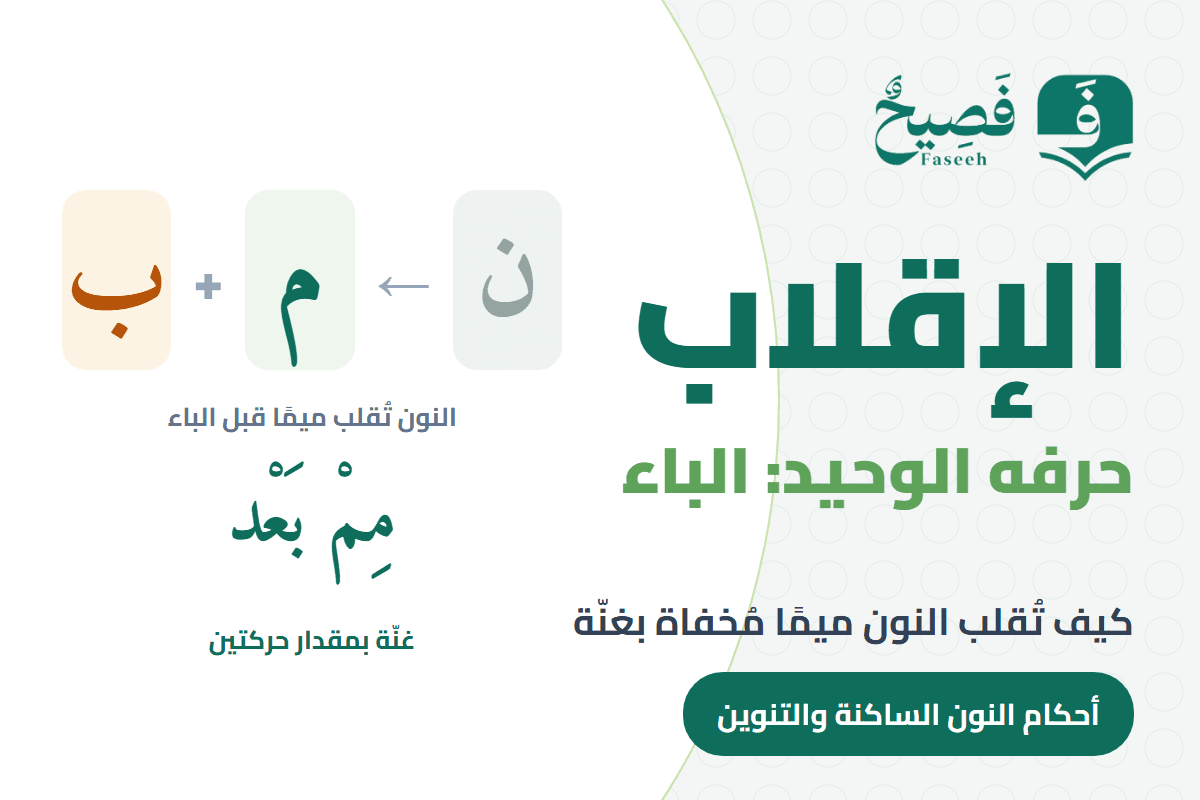
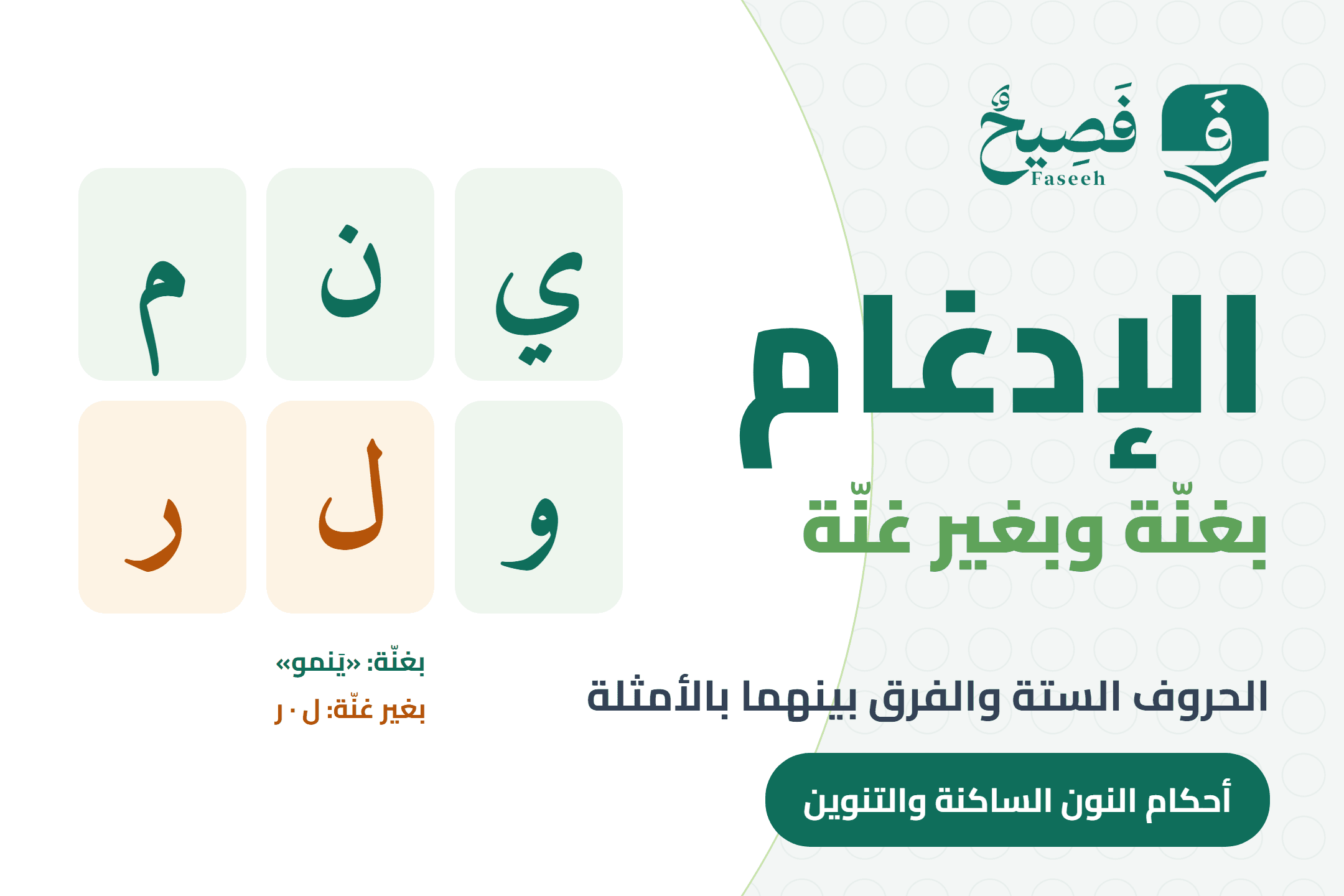
- Learn the core rules one at a time. Begin with the rules of noon saakin and tanween (izhar, idgham, iqlab, ikhfa), then madd and the difference between short vowels and madd.
- Start at tahqiq speed. Slow, exaggerated precision is how the tongue learns.
- Learn the stopping signs above and mark your breathing places before you recite a page.
- Listen, then imitate. Choose a reciter known for a calm murattal recitation and repeat one verse at a time after them.
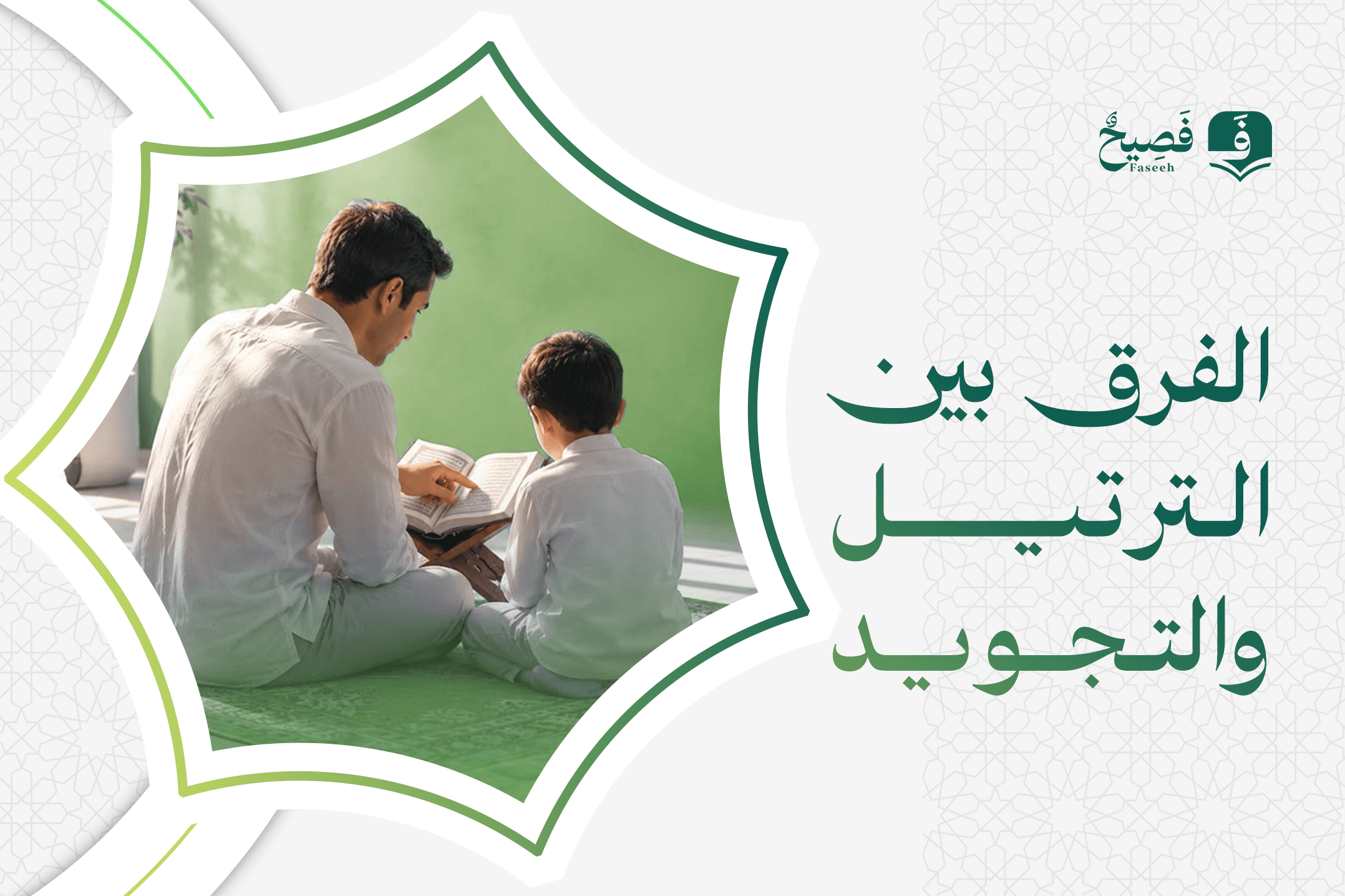
- Recite to a qualified teacher. Self-study cannot hear your own mistakes. The traditional way of learning the Quran has always been talaqqi — receiving it from a teacher's mouth.
- Learn the meaning of what you recite. Read a short tafsir of the passage first; your pauses and tone will naturally improve.
- Recite a little every day. Ten verses with tarteel are better than a whole juz rushed.
Learn Tarteel and Tajweed With Faseeh
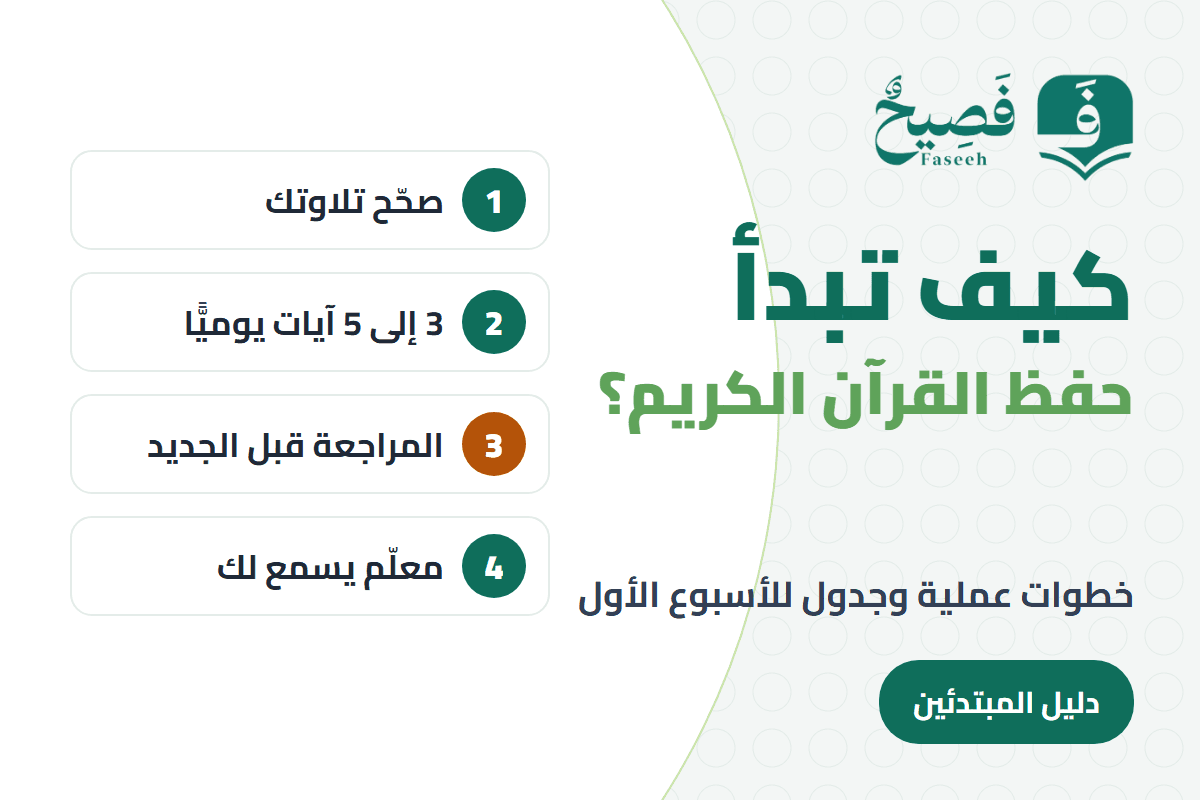
At Faseeh, students learn the Quran live, one-to-one or in small groups, with qualified teachers who listen and correct every letter. The path starts from the foundations of correct reading, moves through the rules of tajweed, and builds up to confident recitation with tarteel and memorization — for both children and adults.
Frequently Asked Questions
What does tarteel mean in English?
Tarteel means measured, distinct and deliberate recitation of the Quran. Linguistically it describes things arranged evenly with clear spacing; technically it means reciting the Quran calmly, with correct tajweed and correct stopping, so its meaning can be understood and reflected on.
What does tarteel mean in Arabic?
In Arabic, tartīl (ترتيل) comes from the root r-t-l, meaning to arrange something evenly and neatly. Kalām murattal is speech delivered clearly and unhurriedly, each word separate from the next.
Is tarteel the same as tajweed?
No. Tajweed is the science of pronouncing each letter and applying the recitation rules. Tarteel is the manner of recitation — calm, clear and with correct stopping — and it includes tajweed. Ali ibn Abi Talib defined tarteel as "tajweed of the letters and knowing the places of stopping."
Which should I learn first, tarteel or tajweed?
Start with the basics of tajweed — correct letters and the core rules — while reciting slowly. Tarteel grows naturally once your pronunciation is correct and you learn where to stop. Practising both together with a teacher is the fastest route.
Is reciting with tarteel obligatory?
Reciting the Quran without errors that change the meaning is required, and scholars treat applying tajweed as an obligation for whoever recites the Quran. Reciting at the calm pace of tarteel is the recommended and best way to recite, based on the command in Al-Muzzammil 73:4 and the practice of the Prophet ﷺ.
Can an app correct my tarteel or tajweed?
Apps that listen to your recitation can help you check memorization and catch skipped or wrong words. They are a useful aid, but they cannot replace a qualified teacher who hears the fine details of articulation, ghunnah and madd and corrects you in real time.
What is a "murattal" recitation?
A murattal recitation is one performed at the calm pace of tarteel, as opposed to a mujawwad recitation, which is slower and more melodic and is usually performed for listeners. Both must follow the rules of tajweed.
Summary
Tarteel is the Quran's own word for how the Quran should be recited: slowly, clearly, letter by letter, with correct tajweed and correct pauses, so that the reciter and listener understand and are moved. Tajweed is the science that makes each letter correct; tarteel is the complete recitation built on it. Start with the letters, learn the rules one by one, recite slowly to a teacher — and you will be reciting the way 73:4 commands.